Why Do I Feel Puffy? Fluid Retention, Swelling & Can Lymphatic Drainage Help?
Puffy face in the morning. Rings suddenly feeling tighter. Heavy legs at the end of the day. Ankles that seem more swollen than usual.
If you recognise that feeling, you may have wondered whether you're “holding water” — and whether lymphatic drainage could help.
But feeling puffy doesn't automatically mean there is something wrong with your lymphatic system.
There are lots of reasons our bodies can temporarily look or feel more swollen, and understanding the difference between everyday puffiness, oedema and lymphoedema matters.
What actually causes fluid retention?
Fluid is constantly moving between your circulation and the tissues of your body.
Your lymphatic system forms part of this fluid-balancing process. It collects fluid and substances from the tissues and eventually returns lymph back towards the bloodstream.
When excess fluid accumulates within the tissues, this is known medically as oedema.
Oedema can have many causes. The NHS lists prolonged sitting or standing, eating a lot of salty food, pregnancy, certain medicines, varicose veins and some underlying health conditions among possible reasons for swelling in the feet, ankles and legs.
So, while your lymphatic system is involved in fluid balance, not every swollen ankle, puffy face or tight ring means your lymphatic system is “blocked”.
Why am I puffier on some days than others?
Some changes in swelling can be temporary.
You may notice your body feels more puffy after spending a long time sitting or standing, during hot weather, after travel or at certain times when fluid balance changes.
For example, the NHS notes that fluid can collect more in the lower parts of the body after prolonged standing and during hot weather, particularly during pregnancy.
Where you notice puffiness can vary too.
For some people it's the ankles or lower legs.
For others it's the hands, fingers or face.
And sometimes it's simply a general feeling of being heavier or more swollen than normal.
Where does the lymphatic system fit into this?
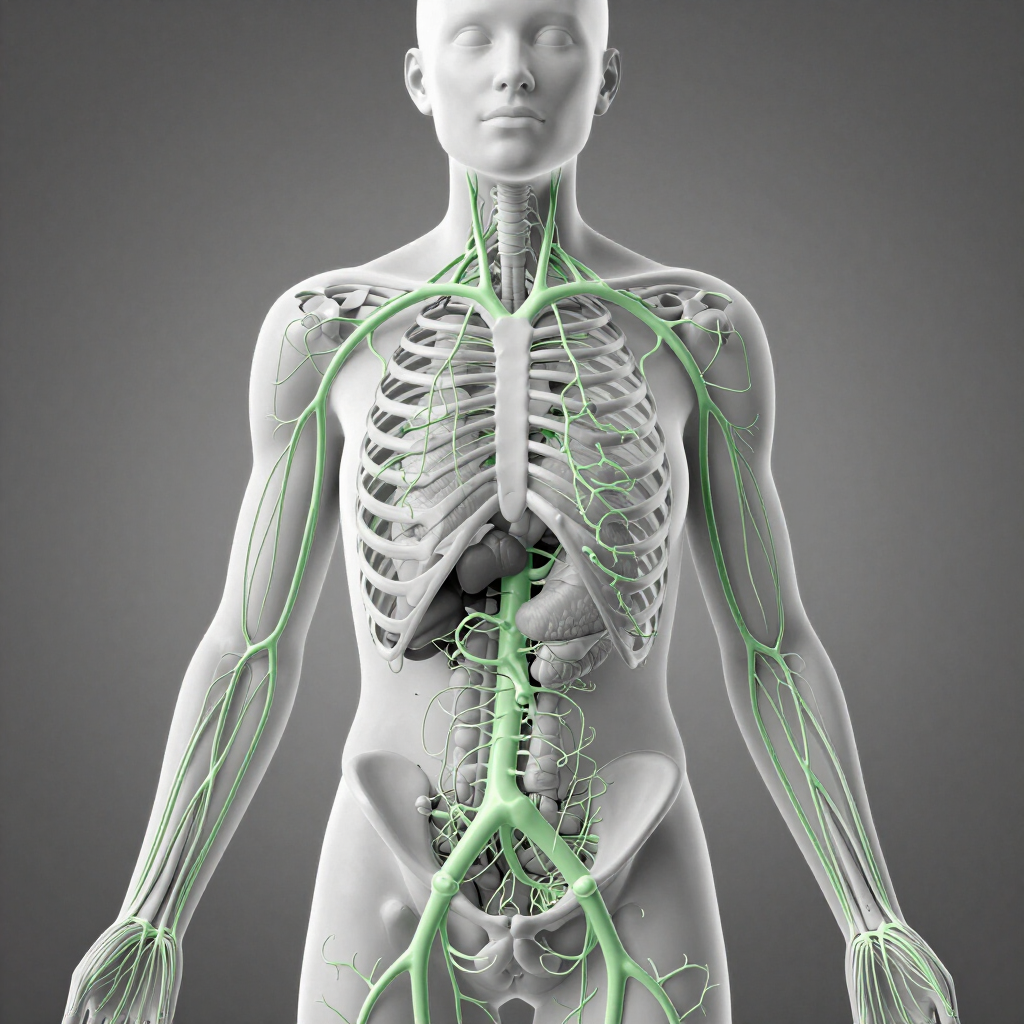
Your lymphatic system is a network of vessels, nodes and organs with important roles in fluid balance and immune function.
Unlike the blood circulation, it does not have one central pump like the heart.
Lymph movement is supported by the activity of lymphatic vessels themselves as well as movement of surrounding tissues and muscles.
When the lymphatic system is damaged or unable to adequately manage lymphatic load, more persistent swelling can occur.
One example is lymphoedema.
The NHS describes lymphoedema as long-term swelling that can affect a limb or another part of the body. Early swelling may initially come and go, while clothing, watches or jewellery can start to feel tighter.
This is different from simply waking up feeling a little puffy.
So what does Manual Lymphatic Drainage actually do?
Manual Lymphatic Drainage (or MLD) is a specialised therapeutic technique designed to influence the movement of lymph through lymphatic pathways.
It uses specific, usually gentle and rhythmic movements rather than the deeper pressure you might associate with a traditional massage.
MLD is used within lymphoedema care and may form one part of a wider treatment programme.
But this is where it's important to be evidence-aware.
MLD is not a magic treatment that removes every type of fluid from the body, and it shouldn't be presented as one.
Research into MLD; particularly in breast cancer-related lymphoedema — has produced mixed results.
A 2022 systematic review and meta-analysis examined MLD in breast cancer-related lymphoedema, while later reviews have continued to find that its benefit can vary depending on factors including the stage of lymphoedema and the other treatment being provided alongside it.
A 2021 systematic review found some evidence of benefit in earlier or milder breast cancer-related lymphoedema, but little evidence of additional volume reduction when MLD was added to complex decongestive treatment in more established moderate-to-severe lymphoedema.
In other words:
MLD has a genuine clinical role, but the evidence is much more nuanced than “lymphatic drainage gets rid of fluid”.
And that's important.
What might you notice after a lymphatic drainage treatment?
This will vary from person to person and depends on why you are having treatment in the first place.
Some people book wellness-focused lymphatic treatments because they dislike that temporary puffy, heavy or congested feeling.
Others may be seeking more specific lymphatic support.
MLD itself is generally a gentle treatment, and many people also find the slow, rhythmic nature of it relaxing.
What I don't promise is that one treatment will permanently remove “water weight”, cure bloating or fix unexplained swelling.
If there is an underlying reason that your body is swelling, that reason matters.
Is puffiness the same as lymphoedema?
No.
And this is one of the most important distinctions to understand.
Lymphoedema happens when part of the lymphatic drainage system is impaired.
It can be primary, where there is an underlying problem with lymphatic development, or secondary, where lymphatic vessels or nodes have been damaged.
Cancer treatment is one recognised cause of secondary lymphoedema. Surgery involving lymph nodes and radiotherapy can alter or damage lymphatic drainage pathways.
Symptoms can include:
- persistent swelling
- a feeling of heaviness or aching
- tightness of clothing or jewellery
- changes in the texture of the tissues
- reduced movement in the affected area
Early lymphoedema can sometimes fluctuate, so swelling that comes and goes shouldn't automatically be dismissed either.
When should swelling be checked rather than massaged?
This is where assessment becomes important.
If swelling is new, unexplained, persistent, getting worse or noticeably different on one side of the body, don't assume you simply need lymphatic drainage.
The NHS advises seeing a GP if you have symptoms suggestive of lymphoedema, with specialist lymphoedema assessment sometimes required.
And certain symptoms need more urgent medical assessment. Increasing redness, heat, tenderness or pain in an already swollen area can be signs of infection such as cellulitis and should not simply be treated with massage.
The same principle applies to sudden significant swelling or swelling accompanied by symptoms such as breathlessness or chest pain.
Sometimes the safest lymphatic treatment is knowing when not to treat.
So... could lymphatic drainage be right for me?
Possibly.
If what you're experiencing is more of an occasional feeling of puffiness or heaviness and there are no concerning symptoms, a wellness-focused lymphatic treatment may be appropriate.
If you're experiencing persistent or recurrent swelling, have undergone cancer treatment, have known lymphatic damage or your symptoms suggest something more complex, you may require a more clinical assessment and management pathway.
And if something doesn't look appropriate for treatment at all, I'll tell you.
That's an important part of good lymphatic care.
Lymphatic treatment at Restore Harmony
At Restore Harmony, my approach isn't simply about making everyone “less puffy”.
It's about understanding what you're experiencing, identifying when Manual Lymphatic Drainage is appropriate and recognising when symptoms require a different route.
So whether you've booked because you feel heavy and puffy, you're interested in supporting your lymphatic wellbeing, or you're seeking help with more persistent swelling, treatment should always begin with understanding the person in front of us.
If you've been feeling puffy, heavy or swollen and think lymphatic drainage may be suitable for you, you can book your treatment with Restore Harmony or get in touch before booking if you're unsure which route is right for you.
References & Further Reading
NHS. Swollen ankles, feet and legs (oedema).
Overview of common causes of peripheral oedema.
NHS. Lymphoedema.
Information on symptoms, causes and treatment of lymphoedema.
NHS. Lymphoedema – Causes.
Information on primary and secondary lymphoedema, including cancer-related lymphatic damage.
NHS. Lymphoedema – Diagnosis.
Guidance on assessment and referral for suspected lymphoedema.
Lin Y, et al. (2022). Manual Lymphatic Drainage for Breast Cancer-related Lymphedema: A Systematic Review and Meta-analysis of Randomized Controlled Trials. Clinical Breast Cancer.
Thompson B, et al. (2021). Manual lymphatic drainage treatment for lymphedema: a systematic review of the literature.Journal of Cancer Survivorship.
Gilchrist L, et al. (2024). Effectiveness of complete decongestive therapy for upper extremity breast cancer-related lymphedema: a systematic review of systematic reviews.
Ramadan F. (2024). Manual lymphatic drainage: the evidence behind the efficacy. British Journal of Community Nursing. The review highlights both the potential benefits and limitations of MLD and notes that published evidence remains inconsistent.
Follow Me.