How to take a break from Alcohol

Charene Anderson • January 4, 2022

Start 2022 the right way....

For many, alcohol is a go-to substance to ease stress, relieve boredom, promote relaxation, or as a social lubricant. In many cultures, having a drink after work, with dinner, with a friend, or with a group is a perfectly acceptable (and sometimes expected) behaviour. Over the festive season many people, indulge in alcohol.


But once you piece together all those drinks in all those settings, the amount you’re consuming might surprise and alarm you, and the effect on your health may be dangerous.

Taking a break from alcohol can give your body a much-needed rest from breaking down those toxins, and your mental health can also benefit.


Here are a few strategies for taking a break from alcohol.


Work out the ‘why’


Establish what your motivation for taking a break from alcohol is. It may be something like health, money, family, or relationships. Having a firm motivator is important to remind you of why you’re taking a break and the benefits that will follow.


Make a plan and keep yourself accountable


You may have a goal in mind for how long you want to kick the booze. It may be a month, six months, or indefinitely. Either way, it’s a great idea to write down a plan for how you’re going to replace alcohol in your routine, and what you’ll do in scenarios where you know you’ll be tempted.

Taking up a hobby such as sport or painting can be a healthy replacement for your 6pm drink and planning ahead for social occasions will mean you’re better prepared for temptations. If you feel like you’re going to cave in, always go back to your plan.


Find supporters and avoid peer pressure


If your circle of friends or family are regular drinkers, they may question your decision to take a break, and even tempt you to forget the whole idea. Peer pressure is a big factor that contributes to people’s decision to drink more quantities of alcohol more often than they ordinarily would.

It’s a great idea to find a friend or a few people to get on board with your choice and help support you through it. These individuals may also come to your assistance in social drinking settings or when you’re getting the third degree from others.

If you know your circle includes people that will pressure or question you, driving you to reconsider things, arm yourself with a handful of firm answers and statements for when you’re confronted, and stick to your guns!


Pay attention to how you feel


Taking a break from alcohol can have many health benefits for both body and mind. Pay particular attention to how you’re feeling and when you notice improvements such as more energy, less anxiety and depression, improved skin health, better sleep, and healthy weight loss.

The more you take stock of these benefits, the better equipped you are to keep going.


Reward Yourself


According to Drink Aware UK, an easy way to keep track of how you’re doing and keep your motivation up is to give yourself short-term goals. Perhaps you could aim firstly for an alcohol-free week, then an alcohol-free month, for example.

The cost of alcohol mounts up with surprising speed. Why not put some of your new found savings towards a treat like some new clothes or a day out?


Follow Me.

August 17, 2026
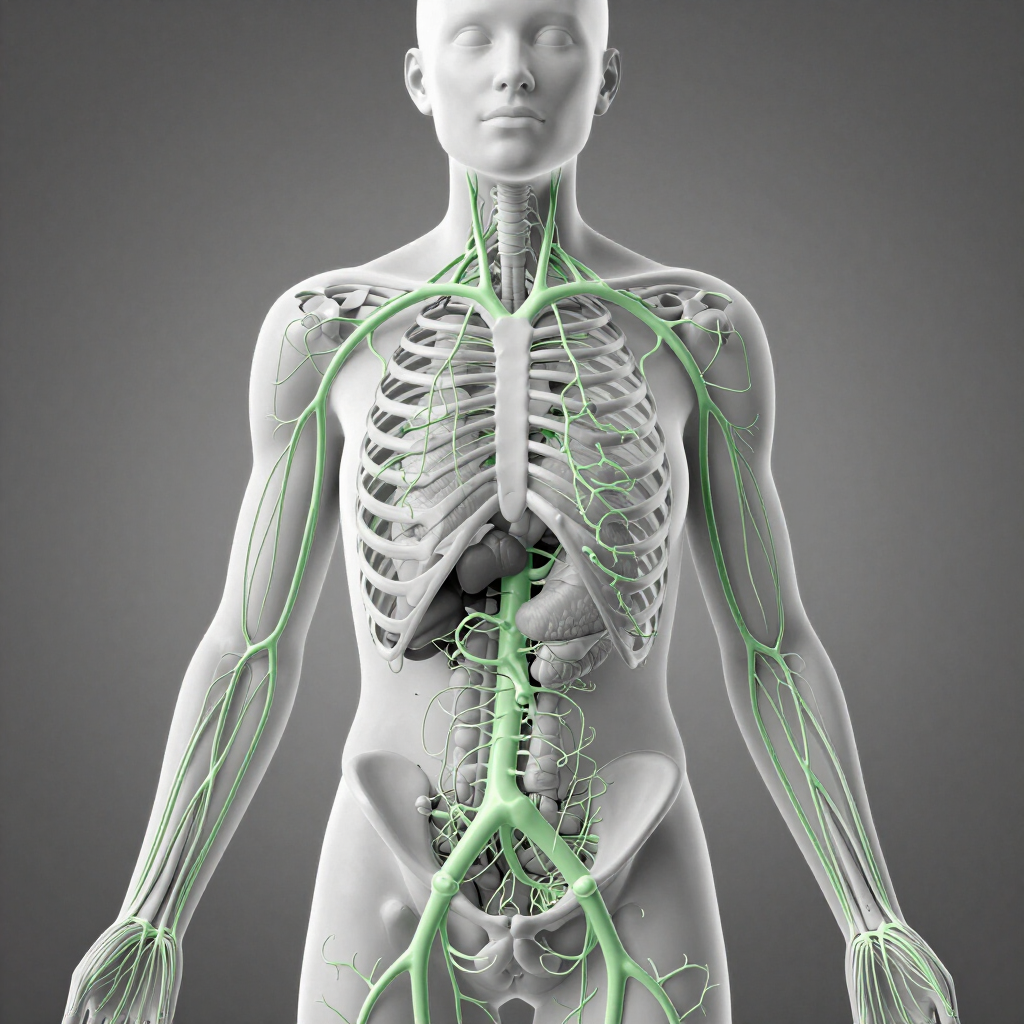
Puffy face in the morning. Rings suddenly feeling tighter. Heavy legs at the end of the day. Ankles that seem more swollen than usual. If you recognise that feeling, you may have wondered whether you're “holding water” — and whether lymphatic drainage could help. But feeling puffy doesn't automatically mean there is something wrong with your lymphatic system. There are lots of reasons our bodies can temporarily look or feel more swollen, and understanding the difference between everyday puffiness, oedema and lymphoedema matters.  What actually causes fluid retention? Fluid is constantly moving between your circulation and the tissues of your body. Your lymphatic system forms part of this fluid-balancing process. It collects fluid and substances from the tissues and eventually returns lymph back towards the bloodstream. When excess fluid accumulates within the tissues, this is known medically as oedema . Oedema can have many causes. The NHS lists prolonged sitting or standing, eating a lot of salty food, pregnancy, certain medicines, varicose veins and some underlying health conditions among possible reasons for swelling in the feet, ankles and legs. So, while your lymphatic system is involved in fluid balance, not every swollen ankle, puffy face or tight ring means your lymphatic system is “blocked”. Why am I puffier on some days than others? Some changes in swelling can be temporary. You may notice your body feels more puffy after spending a long time sitting or standing, during hot weather, after travel or at certain times when fluid balance changes. For example, the NHS notes that fluid can collect more in the lower parts of the body after prolonged standing and during hot weather, particularly during pregnancy. Where you notice puffiness can vary too. For some people it's the ankles or lower legs. For others it's the hands, fingers or face. And sometimes it's simply a general feeling of being heavier or more swollen than normal. Where does the lymphatic system fit into this? Your lymphatic system is a network of vessels, nodes and organs with important roles in fluid balance and immune function . Unlike the blood circulation, it does not have one central pump like the heart. Lymph movement is supported by the activity of lymphatic vessels themselves as well as movement of surrounding tissues and muscles. When the lymphatic system is damaged or unable to adequately manage lymphatic load, more persistent swelling can occur. One example is lymphoedema . The NHS describes lymphoedema as long-term swelling that can affect a limb or another part of the body. Early swelling may initially come and go, while clothing, watches or jewellery can start to feel tighter. This is different from simply waking up feeling a little puffy. So what does Manual Lymphatic Drainage actually do? Manual Lymphatic Drainage (or MLD) is a specialised therapeutic technique designed to influence the movement of lymph through lymphatic pathways. It uses specific, usually gentle and rhythmic movements rather than the deeper pressure you might associate with a traditional massage. MLD is used within lymphoedema care and may form one part of a wider treatment programme. But this is where it's important to be evidence-aware. MLD is not a magic treatment that removes every type of fluid from the body , and it shouldn't be presented as one. Research into MLD; particularly in breast cancer-related lymphoedema — has produced mixed results. A 2022 systematic review and meta-analysis examined MLD in breast cancer-related lymphoedema, while later reviews have continued to find that its benefit can vary depending on factors including the stage of lymphoedema and the other treatment being provided alongside it. A 2021 systematic review found some evidence of benefit in earlier or milder breast cancer-related lymphoedema, but little evidence of additional volume reduction when MLD was added to complex decongestive treatment in more established moderate-to-severe lymphoedema. In other words: MLD has a genuine clinical role, but the evidence is much more nuanced than “lymphatic drainage gets rid of fluid”. And that's important. What might you notice after a lymphatic drainage treatment? This will vary from person to person and depends on why you are having treatment in the first place. Some people book wellness-focused lymphatic treatments because they dislike that temporary puffy, heavy or congested feeling . Others may be seeking more specific lymphatic support. MLD itself is generally a gentle treatment, and many people also find the slow, rhythmic nature of it relaxing. What I don't promise is that one treatment will permanently remove “water weight”, cure bloating or fix unexplained swelling. If there is an underlying reason that your body is swelling, that reason matters. Is puffiness the same as lymphoedema? No. And this is one of the most important distinctions to understand. Lymphoedema happens when part of the lymphatic drainage system is impaired. It can be primary , where there is an underlying problem with lymphatic development, or secondary , where lymphatic vessels or nodes have been damaged. Cancer treatment is one recognised cause of secondary lymphoedema. Surgery involving lymph nodes and radiotherapy can alter or damage lymphatic drainage pathways. Symptoms can include: persistent swelling a feeling of heaviness or aching tightness of clothing or jewellery changes in the texture of the tissues reduced movement in the affected area Early lymphoedema can sometimes fluctuate, so swelling that comes and goes shouldn't automatically be dismissed either. When should swelling be checked rather than massaged? This is where assessment becomes important. If swelling is new, unexplained, persistent, getting worse or noticeably different on one side of the body , don't assume you simply need lymphatic drainage. The NHS advises seeing a GP if you have symptoms suggestive of lymphoedema, with specialist lymphoedema assessment sometimes required. And certain symptoms need more urgent medical assessment. Increasing redness, heat, tenderness or pain in an already swollen area can be signs of infection such as cellulitis and should not simply be treated with massage. The same principle applies to sudden significant swelling or swelling accompanied by symptoms such as breathlessness or chest pain. Sometimes the safest lymphatic treatment is knowing when not to treat. So... could lymphatic drainage be right for me? Possibly. If what you're experiencing is more of an occasional feeling of puffiness or heaviness and there are no concerning symptoms, a wellness-focused lymphatic treatment may be appropriate. If you're experiencing persistent or recurrent swelling , have undergone cancer treatment, have known lymphatic damage or your symptoms suggest something more complex, you may require a more clinical assessment and management pathway. And if something doesn't look appropriate for treatment at all, I'll tell you. That's an important part of good lymphatic care. Lymphatic treatment at Restore Harmony At Restore Harmony, my approach isn't simply about making everyone “less puffy”. It's about understanding what you're experiencing, identifying when Manual Lymphatic Drainage is appropriate and recognising when symptoms require a different route. So whether you've booked because you feel heavy and puffy , you're interested in supporting your lymphatic wellbeing, or you're seeking help with more persistent swelling, treatment should always begin with understanding the person in front of us. If you've been feeling puffy, heavy or swollen and think lymphatic drainage may be suitable for you, you can book your treatment with Restore Harmony or get in touch before booking if you're unsure which route is right for you. References & Further Reading NHS. Swollen ankles, feet and legs (oedema). Overview of common causes of peripheral oedema. NHS. Lymphoedema. Information on symptoms, causes and treatment of lymphoedema. NHS. Lymphoedema – Causes. Information on primary and secondary lymphoedema, including cancer-related lymphatic damage. NHS. Lymphoedema – Diagnosis. Guidance on assessment and referral for suspected lymphoedema. Lin Y, et al. (2022). Manual Lymphatic Drainage for Breast Cancer-related Lymphedema: A Systematic Review and Meta-analysis of Randomized Controlled Trials. Clinical Breast Cancer. Thompson B, et al. (2021). Manual lymphatic drainage treatment for lymphedema: a systematic review of the literature.Journal of Cancer Survivorship. Gilchrist L, et al. (2024). Effectiveness of complete decongestive therapy for upper extremity breast cancer-related lymphedema: a systematic review of systematic reviews. Ramadan F. (2024). Manual lymphatic drainage: the evidence behind the efficacy. British Journal of Community Nursing. The review highlights both the potential benefits and limitations of MLD and notes that published evidence remains inconsistent.
July 23, 2026
What Is Manual Lymphatic Drainage? Benefits, Evidence & Who It Can Help By Restore Harmony If you've ever searched for manual lymphatic drainage , you've probably come across claims that it can detox your body, melt fat, or cure countless health conditions. The truth is more nuanced. Manual Lymphatic Drainage (MLD) is a gentle, specialised massage technique designed to support the movement of lymph fluid through the lymphatic system. It has an established role in managing certain medical conditions, such as lymphoedema, and is also commonly used to support recovery after cosmetic surgery. Increasingly, people also seek MLD to help with temporary puffiness, feelings of heaviness, or as part of their general wellbeing routine. In this guide, we'll explain what MLD is, how it works, what the current evidence says, and who may benefit. What is the lymphatic system? The lymphatic system is an important part of both your immune and circulatory systems. It consists of a network of tiny lymphatic vessels, hundreds of lymph nodes, and organs such as the spleen and thymus. Unlike your heart, which continuously pumps blood around your body, the lymphatic system does not have its own pump. Instead, it relies on normal muscle movement, breathing, and the contraction of lymphatic vessels to help move lymph fluid. Lymph fluid contains water, proteins, immune cells, fats absorbed from the digestive system, and waste products from surrounding tissues. As lymph travels through lymph nodes, specialised immune cells monitor and filter it, helping identify bacteria, viruses, damaged cells and other foreign substances before the fluid eventually returns to the bloodstream. One simple way to picture it is to imagine your lymphatic vessels as highways and your lymph nodes as security checkpoints. Every day they're quietly working in the background to help maintain fluid balance and support immune surveillance. What is Manual Lymphatic Drainage? Manual Lymphatic Drainage (MLD) is a highly specialised form of massage developed in the 1930s by Danish physiotherapists Dr Emil Vodder and Estrid Vodder. Unlike traditional massage, MLD uses slow, gentle and rhythmic skin movements rather than deep pressure. The aim is not to work into muscles. Instead, the therapist applies light stretches to the skin to stimulate the superficial lymphatic vessels that sit just beneath its surface. Because these vessels are delicate, using more pressure is not necessarily more effective. In fact, excessive pressure may compress the vessels you're trying to encourage. This is one of the reasons MLD often feels surprisingly relaxing. How does Manual Lymphatic Drainage work? During treatment, the therapist follows specific pathways that encourage lymph fluid to move towards healthy, functioning lymph nodes. The techniques are designed to: encourage lymph transport support the movement of excess tissue fluid reduce feelings of heaviness associated with swelling promote relaxation through slow, rhythmic touch Different schools of MLD, such as Vodder, Foldi, Casley-Smith, Leduc and Godoy, vary slightly in their techniques, but they all share the same fundamental principle of supporting lymphatic function through gentle, controlled movements. What does the research say? The strongest scientific evidence for Manual Lymphatic Drainage is in the management of lymphoedema , where it may form part of Complete Decongestive Therapy (CDT) alongside compression therapy, exercise, skincare and education. Research has also investigated MLD following cosmetic procedures, where some studies suggest it may help reduce post-operative swelling and improve comfort during recovery. However, results vary between studies, and recovery always depends on factors such as the surgical procedure, healing response and following your surgeon's advice. For general wellness, temporary puffiness and relaxation, research is still developing. While many people report feeling lighter, less puffy or more relaxed after treatment, these experiences may not apply to everyone and more high-quality research is needed in some areas. Evidence-based practice means recognising both what we know and where evidence is still emerging. Who might benefit from Manual Lymphatic Drainage? Depending on your individual circumstances, MLD may be appropriate for people experiencing: Post-operative swelling following cosmetic surgery (with medical clearance where required) Persistent swelling that has already been medically assessed Mild fluid retention Feelings of heavy or tired legs Temporary facial puffiness Lymphoedema (when provided by appropriately trained clinicians as part of an overall management plan) Lipoedema, where MLD may help support symptom management in some people Treatment should always begin with a thorough consultation to determine whether MLD is appropriate. What happens during a treatment? Your appointment should begin with a consultation covering your medical history, medications and current concerns. During treatment you'll usually lie comfortably on a treatment couch while your therapist performs slow, rhythmic movements over specific areas of the body. Many people are surprised by how light the pressure feels. This is completely normal and reflects the location of the superficial lymphatic vessels. After treatment, some people report feeling deeply relaxed. Others notice a temporary reduction in puffiness or heaviness, although results vary depending on the reason for treatment. Your therapist may also discuss simple self-care strategies such as movement, hydration, breathing exercises or compression garments where appropriate. Is Manual Lymphatic Drainage the same as a normal massage? No. Traditional massage generally focuses on muscles, fascia and soft tissues using a range of pressures. Manual Lymphatic Drainage is designed specifically to work with the superficial lymphatic system using gentle, rhythmic techniques. Although both treatments can feel relaxing, they have different goals and should not be considered interchangeable. Frequently Asked Questions Does Manual Lymphatic Drainage hurt? No. MLD should not be painful. The pressure is intentionally gentle because the lymphatic vessels lie just beneath the skin. How many sessions will I need? This depends entirely on why you're having treatment. Someone recovering from surgery may require a different treatment plan from someone seeking occasional wellness sessions. Will I need the toilet afterwards? Some people notice they pass urine more frequently after treatment, while others notice no difference. Individual responses vary. Can everyone have MLD? No. There are certain medical conditions where MLD may not be appropriate or may require medical clearance first. A thorough consultation is essential before treatment begins. Does MLD detox the body? Your body already has highly effective detoxification organs, including the liver and kidneys. The role of the lymphatic system is to help maintain fluid balance, transport immune cells and return excess tissue fluid to the bloodstream. Claims that MLD "flushes toxins" are an oversimplification and are not supported by current scientific evidence. Choosing a qualified therapist Manual Lymphatic Drainage requires additional training beyond standard massage qualifications. When choosing a therapist, look for someone who: Has recognised MLD training. Takes a detailed medical history before treatment. Understands when treatment is appropriate—and when it isn't. Provides realistic expectations rather than exaggerated claims. Is committed to continuing professional development and evidence-based practice. Final thoughts  Manual Lymphatic Drainage is a gentle, specialised treatment that plays an important role in managing certain forms of swelling and supporting recovery in appropriate situations. While research continues to evolve, its established role in lymphoedema care and its growing use in post-operative rehabilitation make it an increasingly recognised therapy. At Restore Harmony, our approach is rooted in evidence-based practice, honest communication and individualised care. Every treatment begins with a consultation to ensure it's appropriate for your needs and health history. If you're unsure whether Manual Lymphatic Drainage is right for you, we're always happy to discuss your concerns and help you decide on the most suitable treatment plan. Medical Disclaimer This article is intended for educational purposes only and should not replace personalised medical advice, diagnosis or treatment. If you have persistent, sudden or unexplained swelling, pain, redness, or any other concerning symptoms, please seek assessment from an appropriate healthcare professional before considering Manual Lymphatic Drainage. Treatment should always be carried out following a thorough consultation to determine whether it is suitable for your individual needs. Further Reading & Professional Resources The information in this article is based on current evidence and guidance from recognised professional organisations and peer-reviewed literature, including: British Lymphology Society (BLS). Manual Lymphatic Drainage Position Document (2024). International Society of Lymphology (ISL). The Diagnosis and Treatment of Peripheral Lymphedema: 2023 Consensus Document . Lymphoedema Support Network (LSN). Patient information and guidance on lymphoedema assessment and management. British Lymphology Society (BLS). Professional guidance and resources on lymphatic and chronic oedema management. This article is reviewed periodically to reflect current evidence and clinical guidance. Last reviewed: July 2026. Reviewed by: Charene Anderson Founder of Restore Harmony | Manual Lymphatic Drainage Practitioner | Beauty Educator (QTLS, PGCE) | Committed to evidence-based lymphatic health education and continuing professional development.
April 21, 2025
Are you considering a new career or looking to expand your skillset? Training in beauty or massage therapy courses is not only a smart investment in your future, but also opens the door to a flexible, fulfilling, and high-demand profession. Whether you’re a complete beginner or already working in the wellness industry, enrolling in accredited beauty and massage courses can significantly elevate your career prospects. In this blog post, we’ll explore the top reasons why you should train in beauty or massage therapy, the benefits of gaining professional qualifications, and how this path can lead to financial freedom and personal satisfaction. 1. High Demand for Qualified Beauty and Massage Therapists The wellness and self-care industry is booming. More people than ever are investing in treatments like facials, body massage, lymphatic drainage, and holistic therapies to manage stress and improve their appearance and wellbeing. This means there’s a growing demand for skilled and certified professionals in both beauty and massage therapy. By completing an IPHM-accredited beauty or massage course, you position yourself as a trusted and knowledgeable expert that clients can rely on. 2. Flexible Career Opportunities One of the biggest advantages of training in this field is the flexibility it offers. Once qualified, you can choose to: Work in a beauty salon or spa Start your own mobile or home-based business Rent a treatment room in a wellness clinic Offer pop-up services at events or in luxury hotels Travel and work abroad, especially in wellness tourism hotspots Whether you want to work full-time, part-time, or around family commitments, a career in beauty or massage therapy gives you the freedom to create a schedule that suits your lifestyle. 3. Low Start-Up Costs and High Earning Potential Compared to many other industries, the beauty and massage sector has relatively low start-up costs, especially if you begin as a mobile therapist or work from home. Once you’re qualified and have your basic equipment, you can quickly begin earning and even charge premium prices for specialist treatments such as: Lymphatic drainage massage Advanced facial treatments Aromatherapy massage Hot stone massage Infrared detox therapy Specialising in high-demand treatments allows you to stand out in a competitive market and build a loyal client base. 4. Accredited Qualifications Build Trust and Credibility Clients are more likely to book treatments with therapists who hold recognised and accredited qualifications. When you train with an IPHM-accredited academy or an established beauty training provider, you gain a certificate that proves your skills meet industry standards. Accreditation also gives you access to professional insurance, enabling you to work safely and legally while protecting both you and your clients. 5. Personal and Professional Growth Beyond the practical skills, beauty and massage training also boosts your confidence, creativity, and communication skills. You’ll learn how to create a calming environment, connect with clients on a deeper level, and develop a real sense of purpose by helping others feel their best. Plus, there’s always room to grow! You can continue to upskill with advanced beauty courses, specialise in niche treatments, or even go on to teach and train others in the future. 6. Be Your Own Boss Perhaps the most appealing reason to train in beauty or massage therapy is the ability to be your own boss. You set your hours, choose your services, and build a brand that reflects your personality and passion. If you dream of financial independence and running a business you love, this industry offers all the tools and opportunities to make it happen. Ready to Get Started? At Restore Harmony Training Academy, we offer a wide range of fully accredited beauty and massage courses, including: Lymphatic Drainage Massage Training Post Operative Lymphatic Drainage Swedish Massage Hot Stone Massage Facials Aromatherapy Massage Our courses are designed for beginners and experienced therapists alike, with small class sizes, hands-on learning, and expert guidance every step of the way.  Learn more https://www.restoreharmony.co.uk/acreddited-massage-course